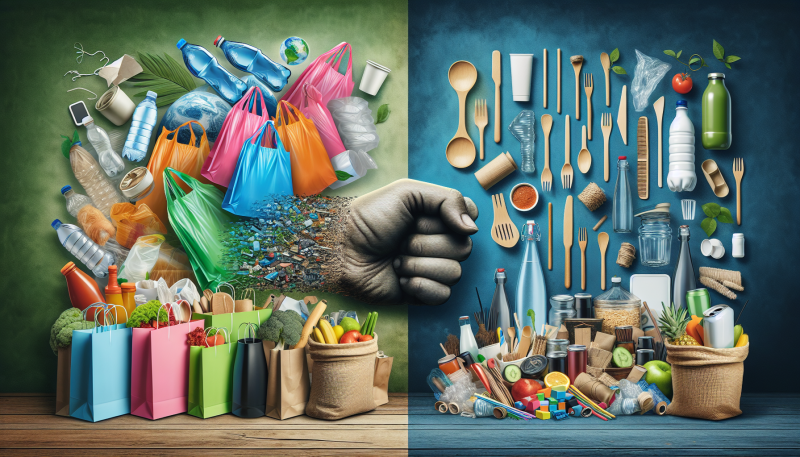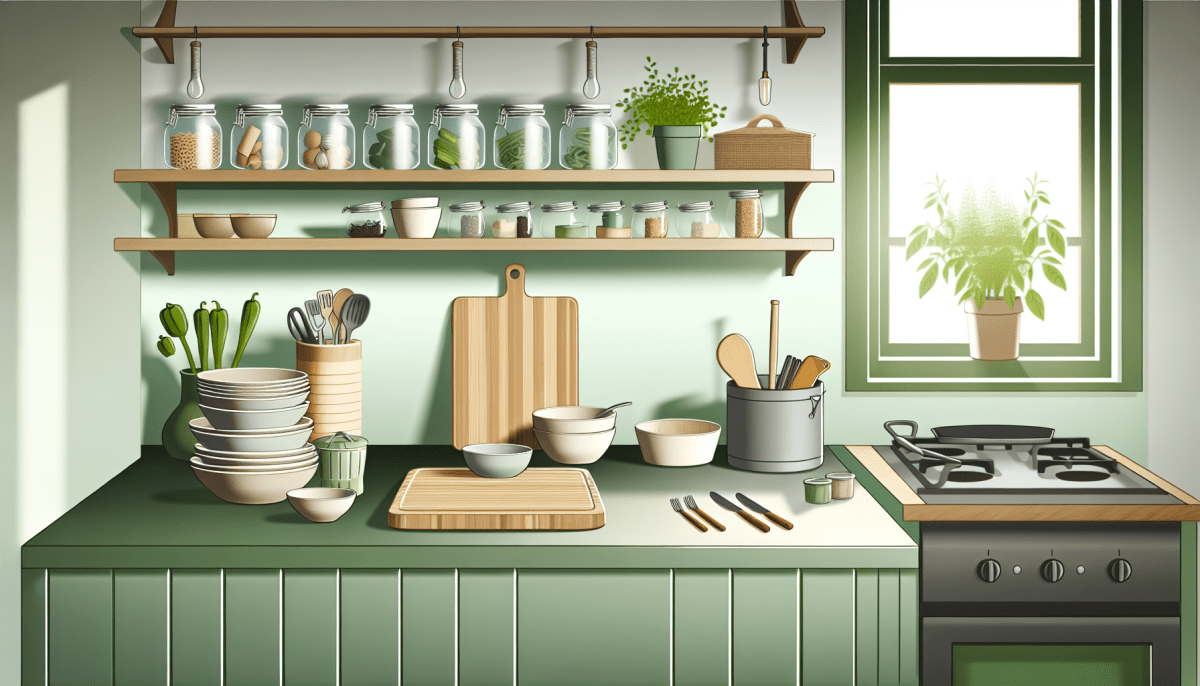
When it comes to green cooking, having the right tools can make a big difference. Not only do they help reduce waste, but they also make your cooking experience more enjoyable. Here are some must-have tools that every eco-friendly kitchen should have.
1. Reusable Silicone Bags: These bags are perfect for storing food and snacks. They keep your items fresh without the extra waste of plastic bags. Plus, they’re dishwasher safe and come in various sizes, making them super versatile!
2. Beeswax Wraps: Ditching plastic wrap is a big step toward green cooking, and beeswax wraps are a great alternative. They can be used to cover bowls or wrap up sandwiches, and they’re compostable at the end of their life.
3. Compost Bin: Starting a compost bin is one of the easiest ways to cut down on kitchen waste. Not only does it keep scraps out of the landfill, but it also gives you nutrient-rich soil for your plants. Look for one with a lid and good ventilation to help manage odors.
4. Eco-Friendly Cookware: Choosing non-toxic, sustainable cookware is key. Look for options made from materials like stainless steel, cast iron, or ceramic. These are not only safe to use but can last a lifetime with proper care.
5. Food Processor: This tool is a game-changer for meal prep. It helps you chop, grind, and blend ingredients quickly, which means you’ll reduce food waste and save time. Plus, by making your own sauces and dips, you’ll be cutting down on pre-packaged items.
Sustainable Materials for Your Kitchen
When it comes to creating an eco-friendly kitchen, one of the best places to start is with the materials you choose for your gear. Going sustainable doesn’t just benefit the environment; it also enhances your cooking experience. Let’s dive into some materials that are not just kind to Mother Earth but also make your kitchen functional and stylish.
Bamboo is a superstar in the world of sustainable materials. It grows quickly and doesn’t need pesticides or fertilizers, making it a super eco-friendly option. Whether you’re picking up cutting boards, utensils, or even bowls, bamboo is durable, lightweight, and a breeze to clean. Plus, it has a natural aesthetic that brings warmth to your cooking space.
Recycled Materials are another fantastic choice. Look for products made from recycled glass, plastic, or metal. These items help reduce waste and can be just as beautiful as new products. For instance, recycled glass can be turned into stunning dishware or storage containers that are both stylish and functional.
Stainless Steel is a reliable and long-lasting option that’s easy to maintain. Opt for stainless steel pots, pans, and utensils, as they don’t leach harmful chemicals into your food. Plus, many stainless steel products are made from recycled materials, making them a double win for the planet. They provide perfect heat distribution, which can help you cook more efficiently.
Lastly, consider natural fabrics for your kitchen textiles. Cotton, linen, and hemp not only feel great but are also biodegradable and often produced without harmful chemicals. Think reusable cloths, aprons, and tea towels that can reduce your reliance on single-use paper products. Choosing natural textiles is a simple way to make a big impact on your kitchen’s eco-friendliness.
Tips for Reducing Waste While Cooking
Cooking is a joy, but it can also create a lot of waste if we're not careful. Here are some easy tips to help you reduce that waste while whipping up your favorite meals.
First off, make use of your leftovers. Instead of tossing out uneaten food, think about how you can repurpose it. For instance, roast vegetables can be turned into a delicious soup or mixed into a salad. Stale bread? It’s perfect for making breadcrumbs or croutons!
Next, get creative with scraps. Many vegetable scraps can be used to make homemade broth. Just collect those onion peels, carrot tops, and celery ends in a bag in your freezer, and when you have enough, throw them in a pot with water and seasoning. It’s a great way to extract every bit of goodness.
Don’t forget about proper food storage! Use reusable containers or beeswax wraps instead of plastic wrap. This helps keep your food fresh longer and cuts down on single-use plastics. Clear jars can also help you keep an eye on what you have, reducing the risk of food going bad.
Lastly, plan your meals ahead of time. Creating a shopping list based on your meal plans can minimize impulse buys and help you use up what you've got at home. This means less food waste and saving money—it's a win-win!
Eco-Friendly Appliance Recommendations
Choosing eco-friendly appliances can make a big difference in your kitchen and the planet. Here are a few recommendations that not only work well but also help you live a greener lifestyle.
Energy-Efficient Refrigerators: Keeping food fresh without wasting power is key. Look for refrigerators with an Energy Star label, which means they meet strict energy efficiency guidelines. Brands like LG and Samsung offer models with smart features to help you monitor energy usage while keeping food organized.
Induction Cooktops: If you enjoy cooking, switching to an induction cooktop can be a game changer. They heat up fast, cook food evenly, and use up to 70% less energy compared to traditional gas or electric stoves. Plus, they’re easy to clean!
Energy-Saving Dishwashers: Doing the dishes doesn’t have to be energy-intensive. Modern dishwashers are designed to use less water and electricity while still getting your dishes squeaky clean. Look for models with a “light wash” or “eco mode” setting.